
The Wild Wisdom of Sheep
on Mud, Sheep, and Wool

Hi friends, welcome to Quietly Wild where we explore wild & simple living, finding your own wild story, and feral farm life. This essay was originally published 07/20/25 on my Wild Wisdom Wool blog but I feel that it deserves a spot over here as well. Enjoy! - The Wild Wisdom Shepherdess
The Wild Wisdom of Sheep
Most people don’t think of domestic sheep as having wild wisdom, they are domestic after all. In fact, sheep were one of the first domesticated animals and we have been using their milk, meat, and wool for over 10,000 years. Also, sheep are not known for their great intelligence so some people may have a hard time believing that they carry any wisdom at all, much less wild wisdom. But deeply ingrained in their sheepishness is the ability to deal with water, which is wild wisdom that the world desperately needs at this current moment in time.
Maybe it’s the popularity of the TV show Yellowstone, maybe it’s the popular prairie loving homesteaders, or maybe it’s the timeless love of Laura Ingalls Wilder, but prairie living is trending on social media. The fact is, it’s pretty easy to romanticize prairie life with its wide open spaces…. and dryness. But the reality for many is that we don’t live on the prairie and there is a lot of mud and moss. Maybe that’s the point of the prairie aesthetic, there is no mud. Mud isn’t pretty and it can be quite hard to deal with when living with it on a daily basis.
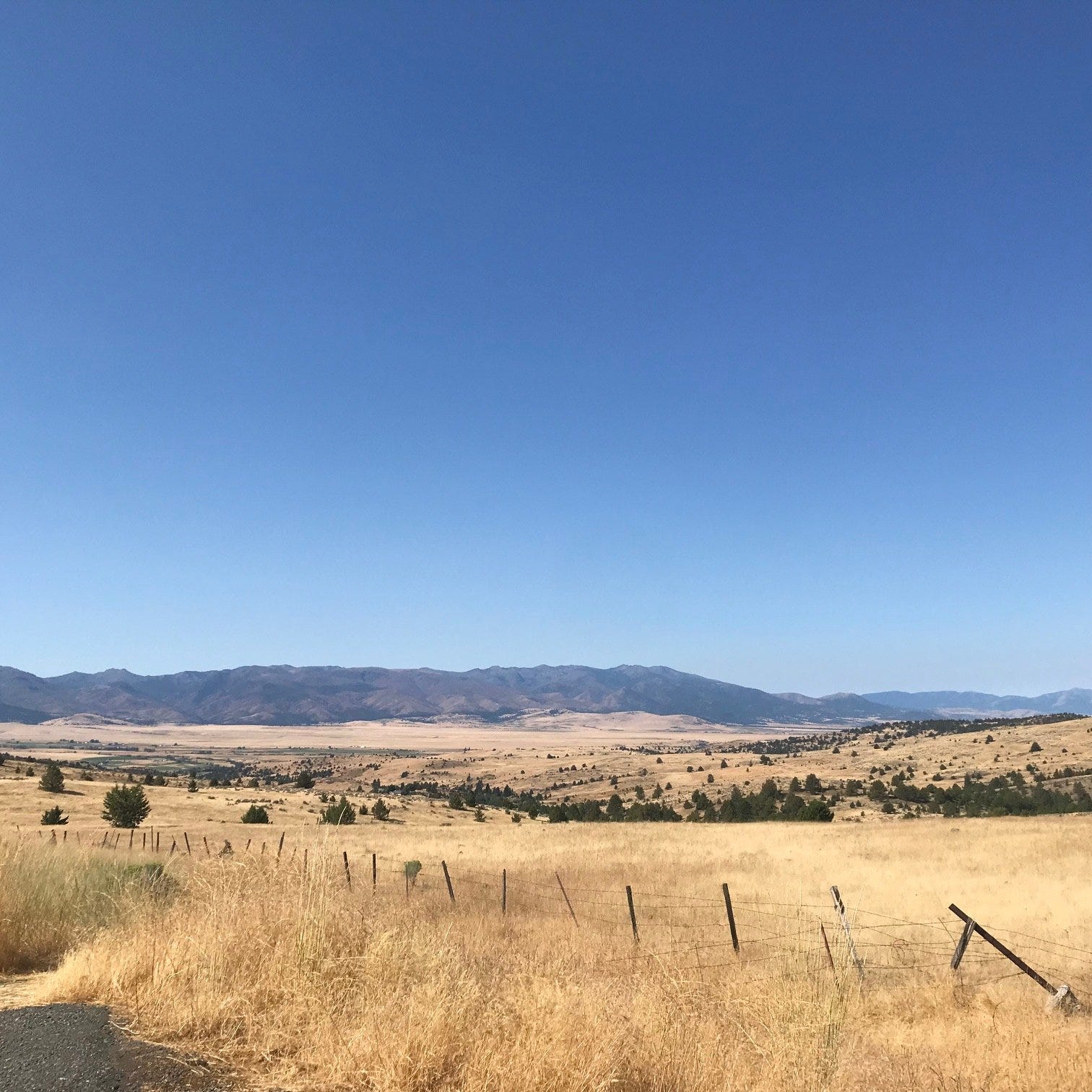

Dealing with wet soil can be difficult and gardeners seem to deal with either flood or drought. Is there ever the perfect amount of water in an environment? Not really: but sheep can help. Sheep and mud go hand and hand, especially the breeds whose origin are in the marshes of England or NW Europe such as the Romney and Icelandic. However, all wool sheep have the ability to help gardeners with their overabundance (or under abundance) of water.
For as long as humans have tended sheep, wool has been used in the garden. It’s a mulch, slug repellent, and helps keep the soil from getting too hot or too cold or too wet or too dry. Using wool in the garden is a bit of rural wisdom passed down from generation to generation, and this wisdom was gained from the sheep themselves.
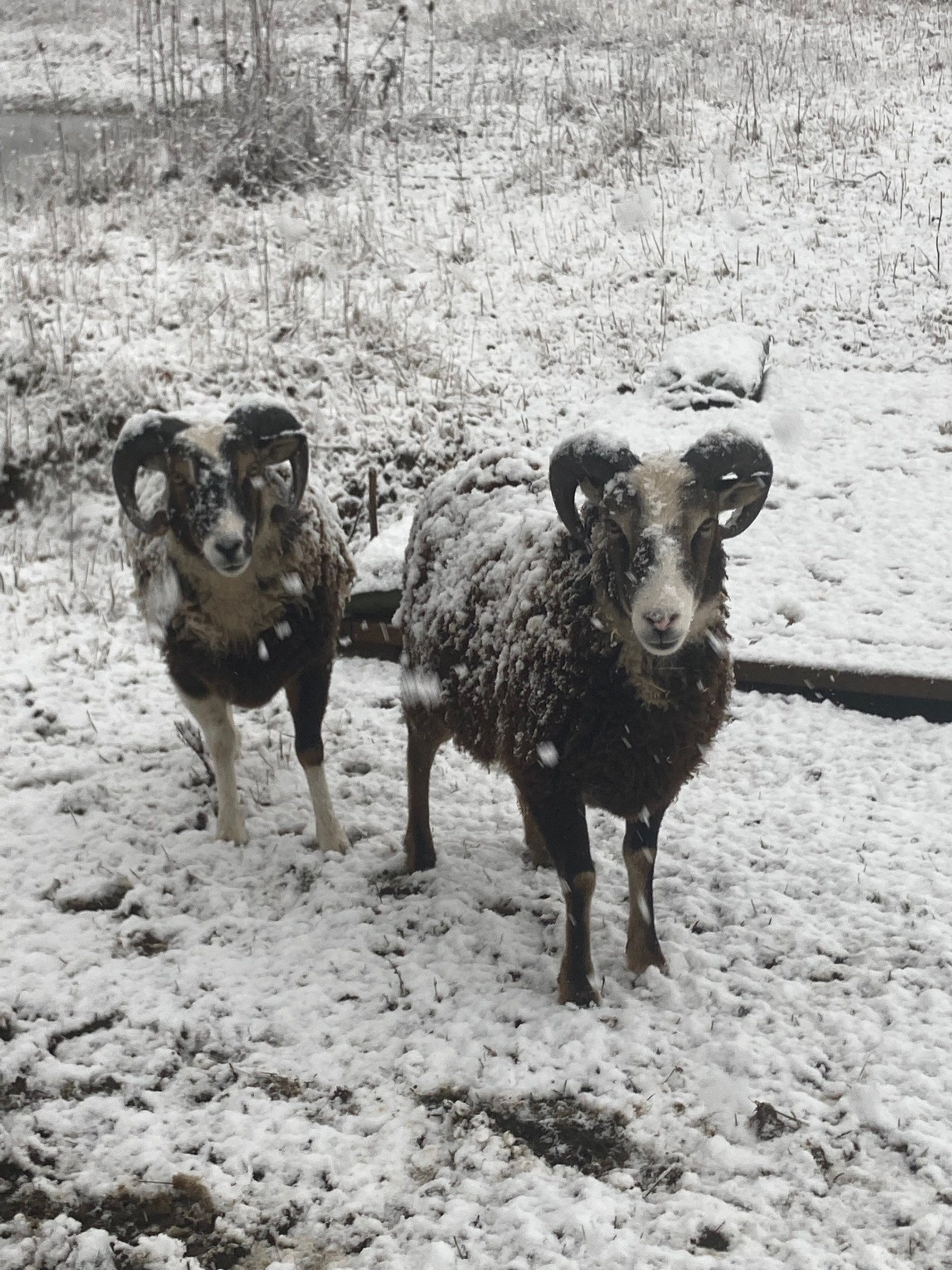
Their wool is what keeps sheep warm and dry in harsh environments as well as cooler in the summer. Although the sheep may not know the technical terms: wool is both hydrophobic (water-repelling) and hygroscopic (moisture-wicking). These properties in wool are seen in both wool as a garment and wool in the garden in the form of wool pellets.
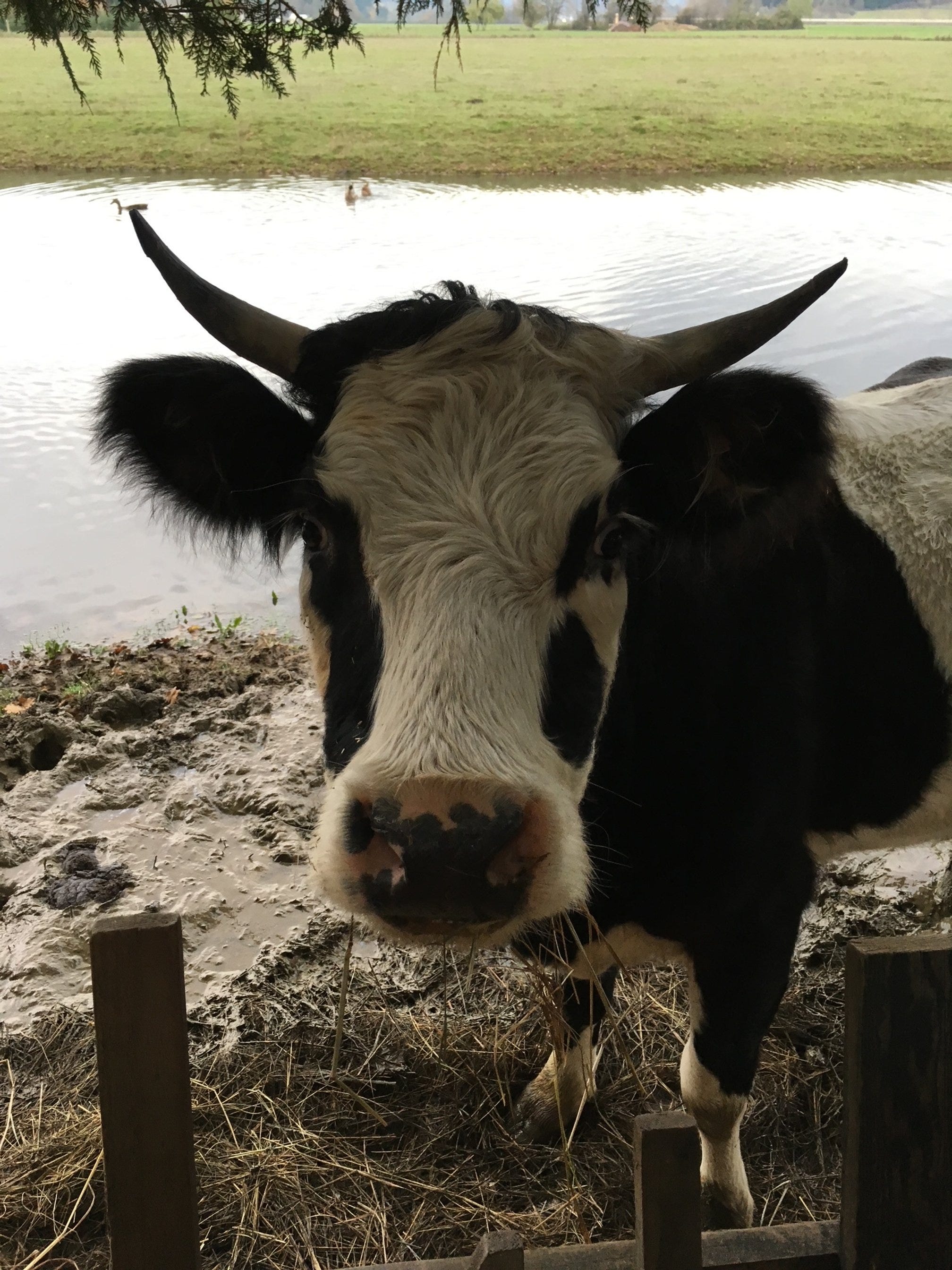
Sheep have adapted through the ages to live on wet, environmentally sensitive land, as well as cold, mountainous regions which are equally, if not more, ecologically fragile. Cattle originated in the dryer environments of Turkey, Pakistan, and India. This is a very important distinction when discussing wild wisdom. Both sheep and cattle and have cloven hooves. However, the amount of pressure in pounds per square inch a sheep hoof puts on the ground is half of that or less than a cow. This becomes very important in wet and mountainous environments where heavy cow hooves can do large amounts of environmental destruction. This is of course a generalization of both sheep and cattle, and nature always provides a paradox. There are desert sheep as well as wetland cattle (Scottish Highland). In choosing a proper protein source for a given environment, several factors have to be considered, and sheep often have a lower environmental impact than cows on coastal wetlands.
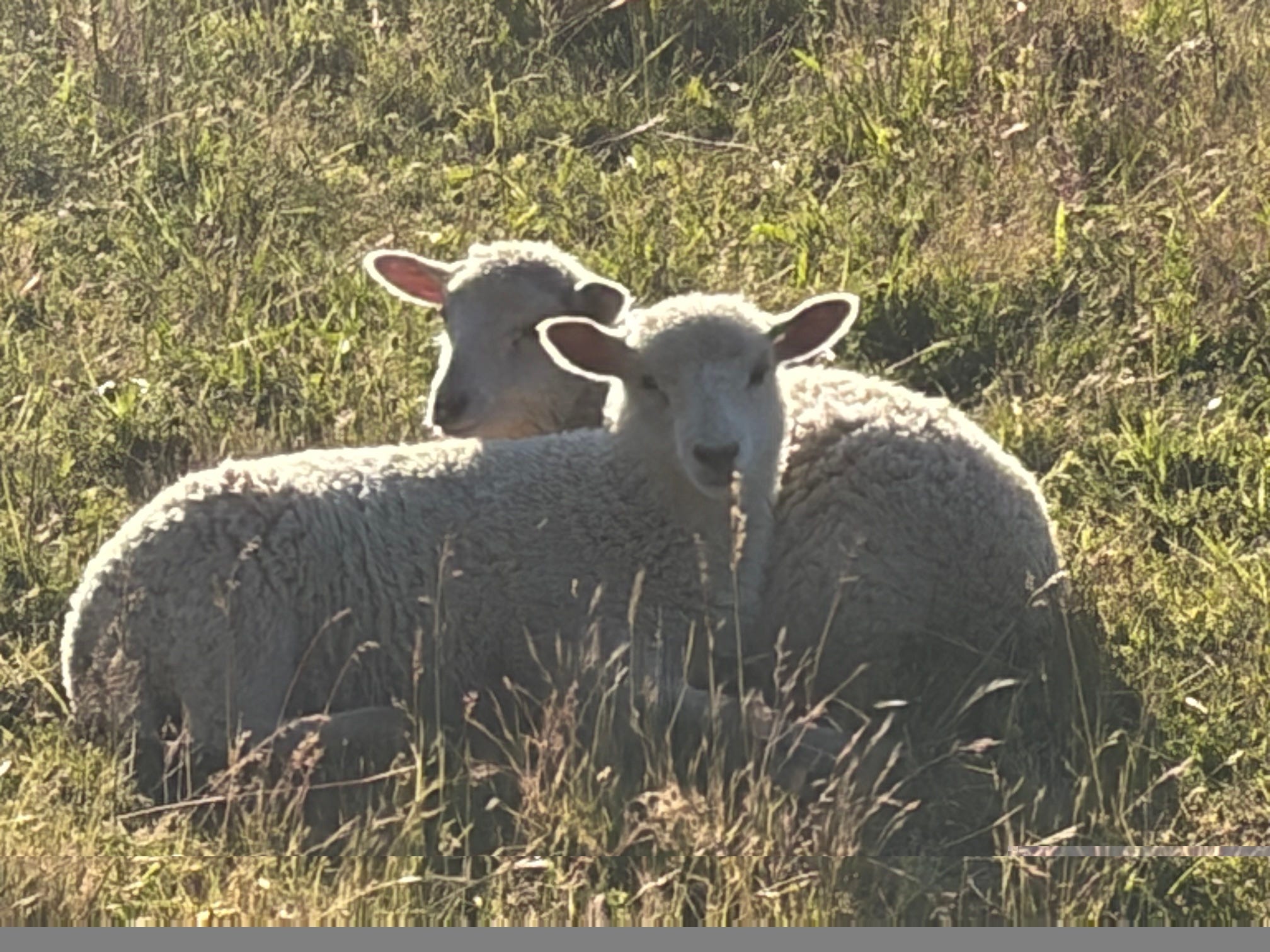
Sheep have fallen out of fashion in the United States. In fact, the average American reportedly eats less than a pound of lamb and mutton a year. Wool as a textile has also fallen out of fashion. Wool yarn has been largely replaced with cheaper acrylic yarn. Acrylic is a petroleum based fiber: in essence, plastic. Wool clothes which provide natural temperature regulation and water resistance have been replaced with synthetic fibers: in essence: plastic. Wool has a historically bad reputation for being itchy and uncomfortable when in reality that itchiness is coming from the harsh chemicals used to clean the wool as well as the type of wool being used. Modern advances and breed specific use of wool have mitigated these historical problems.
Sheep and their wool carry wild wisdom and usefulness and can help be a solution in moving America into a plastic-free and more environmentally responsible direction, we just have to listen.
Thank you for reading,
The Wild Wisdom Shepherdess
To further support quietly wild and my quest to teach the art of homemade living, please consider buying me a coffee or making a purchase at Wild Wisdom Wool. All support is appreciated. Thank you for being here and reading. ❤️