
Falling in Love with the Forgotten

I live in a forgotten town. It’s a town that used to be more bustling, but a highway bypassed it in 1957 and it became the Oregon version of Radiator Springs. It sits beside the intersection of two well-traveled roads that lead to the Native reservation casinos and the Oregon coast. For most travelers, this spot is simply marked by a large crane at a mill, and they have little clue that an actual town exists off the main road.
Timber Town USA was named after Willamina Williams who fell off her horse into the creek, now Willamina Creek. It now boosts 2200 people and features the flagship mill for the largest privately held lumber company in North America although we are probably best known on the internet for the smiley face, the one that smiles down upon Mossygoat Farm.
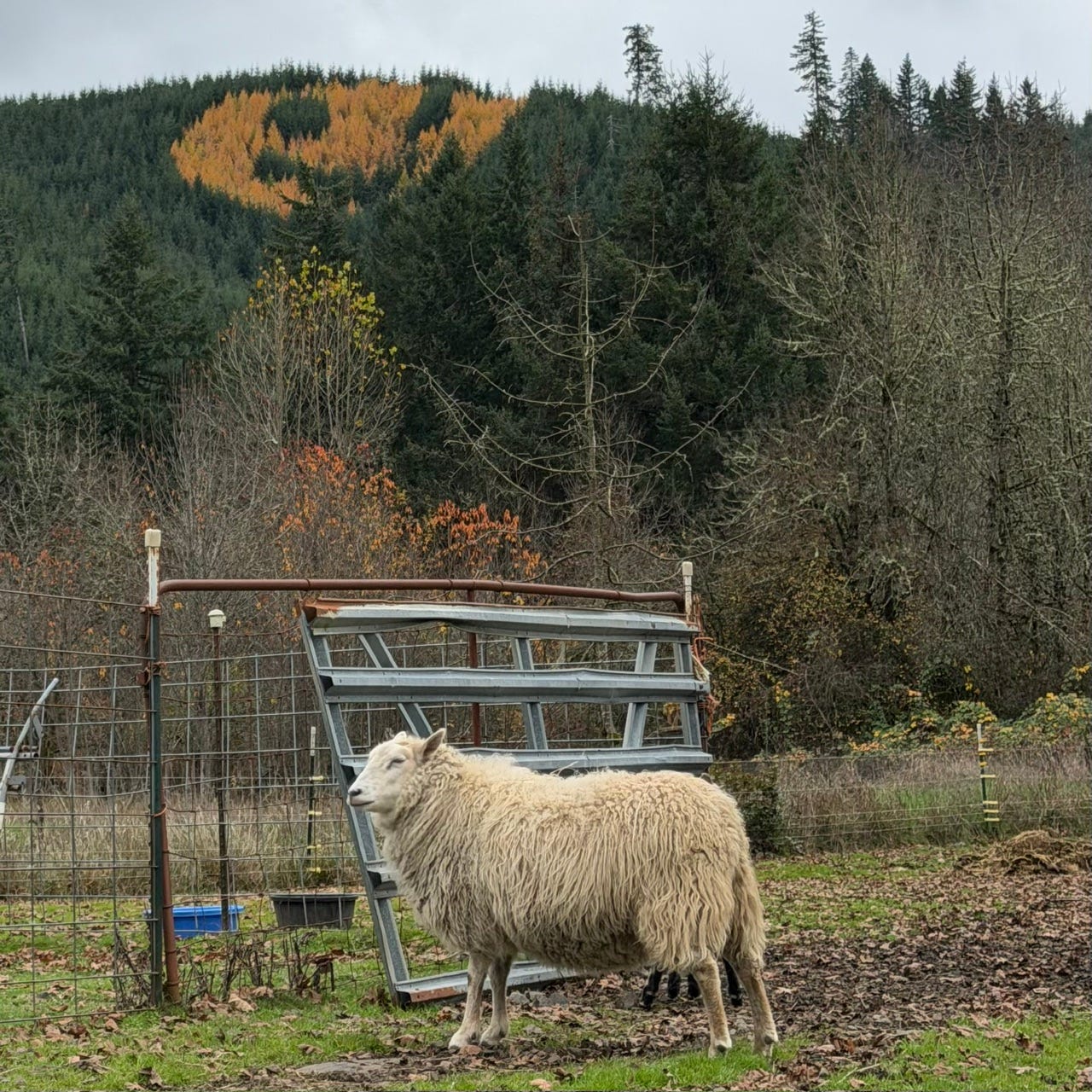
To me we live in the middle of somewhere. We are 35 minutes to the capital of Oregon with its 183,000 people and 25 minutes from Dallas or McMinnville, both cities in their own right albite smaller ones. but when I step back from my own skewed optics, or when I am tired because I have to drive over 50 miles round trip just to get groceries, I can realize that according to most people we live in the middle of nowhere.
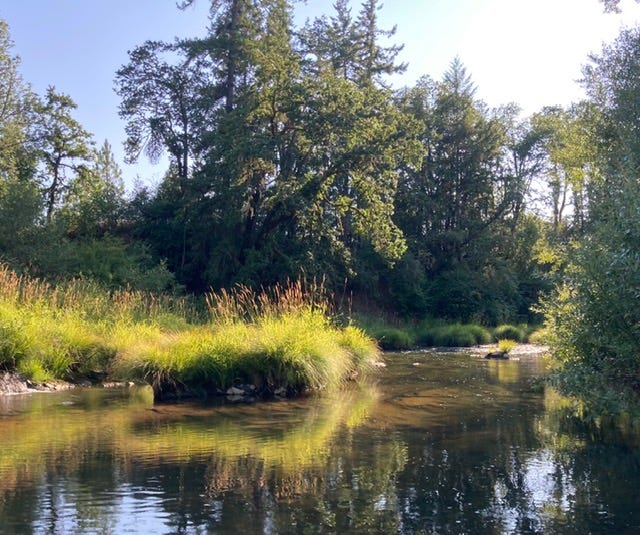
Living in the middle of nowhere has drawbacks that go beyond the length it takes to drive to get groceries. When you live in a forgotten town people make assumptions about you: poor, uneducated, redeck, lazy, and dumb come to mind. The town becomes a caricature that lives in how media has largely portrayed rural towns. City dwellers don’t view the town for what it is or the people who live there, they view the town for what they were told it is or what they want it to be because it fits their personal or political narrative.
Tearing down stereotypes
I never fell for the stereotype of the dumb hick. I think it is because I knew so many loggers growing up. However, I deal with this stereotype often in life and have been called stupid straight to my face based on where I live. You know, Kimberly, the stupid one, the one who got accepted full ride into law school. But just because a person is not a knowledge worker, or does not have a master’s degree, or does not know how to program their BMW to talk to their cell phone or not even own a BMW (gasp!), it does not mean they are dumb. Furthermore, just because you choose to drive a diesel rather than a BMW does not mean that you are an anti-environmentalist redneck as I know some people actually do believe and tell me directly as well. I have a B.S. degree in Environmental Science, so I am not sure where this comes from and sometimes to get where you need to go in the back forty, you just need a big four-wheel drive truck. These trucks help with farm chores as well. My hybrid Honda Insight only holds one hay bale and can’t haul a horse trailer. This isn’t an environmental issue, this is practicality.
To live in the country also means you have to become a subject matter expert on a wide range of subjects that have practical life applications. We installed a solar powered water pump to power our underground irrigation system. We had to become quick subject matter experts on both solar and irrigation systems despite never working with them before. Luckily, we already had knowledge about working with electricity and plumbing that came from the practical life experience of being an old house owner. When you live in the country you can’t always hire the experts. If we can fix the electricity, install a solar pump, or repair our house and barn ourselves, we do.
When you live in the forgotten, money also tends to go back into the land rather than material goods and ease of living. I think this is one contributing factor to assuming rural people are backwards or poor. We just value different things and the knowledge we have is not inferior, it’s just different, and it’s not valued by society as a whole.
When the Zombie Apocalypse comes, I know one thing for sure: it will be the country dwellers, and not the tech workers, who save the day. We are out here living with nature and doing our thing, and we may not even notice the Zombie Apocalypse when it comes. If we do notice, we will just quickly add “zombies” to our ever-growing list of what we can successfully handle. And while our cars may not talk to our cell phones, we will keep everything zombie-free. In the end, isn’t that what matters?
All jokes about the Zombie Apocalypse aside, fighting the tech superiority and following the path of nature is something that is dear to the Mossygoat heart. Our society has smart phones, smart cars, and smart appliances. Humans are smart too, and we tend to forget that in our tech centered world. Connecting with nature and living in tune with the seasons is what calls many people to the country and return back to the land.
Sometimes I wonder if there really was a brain drain from rural areas like the experts claim, or if these people are just quietly living their lives without fanfare because they made different choices and they chose the land and nature over money.
Forgotten? Or just real?
This town, this farm, this life of mine, is one people drive by at 60 miles per hour as they head from somewhere to somewhere else, going through nowhere in the process. It is the town that gets mocked even though the people here are some of the kindest people you will ever meet and they would literally give you the shirt off their backs if you needed it.
Are we forgotten?
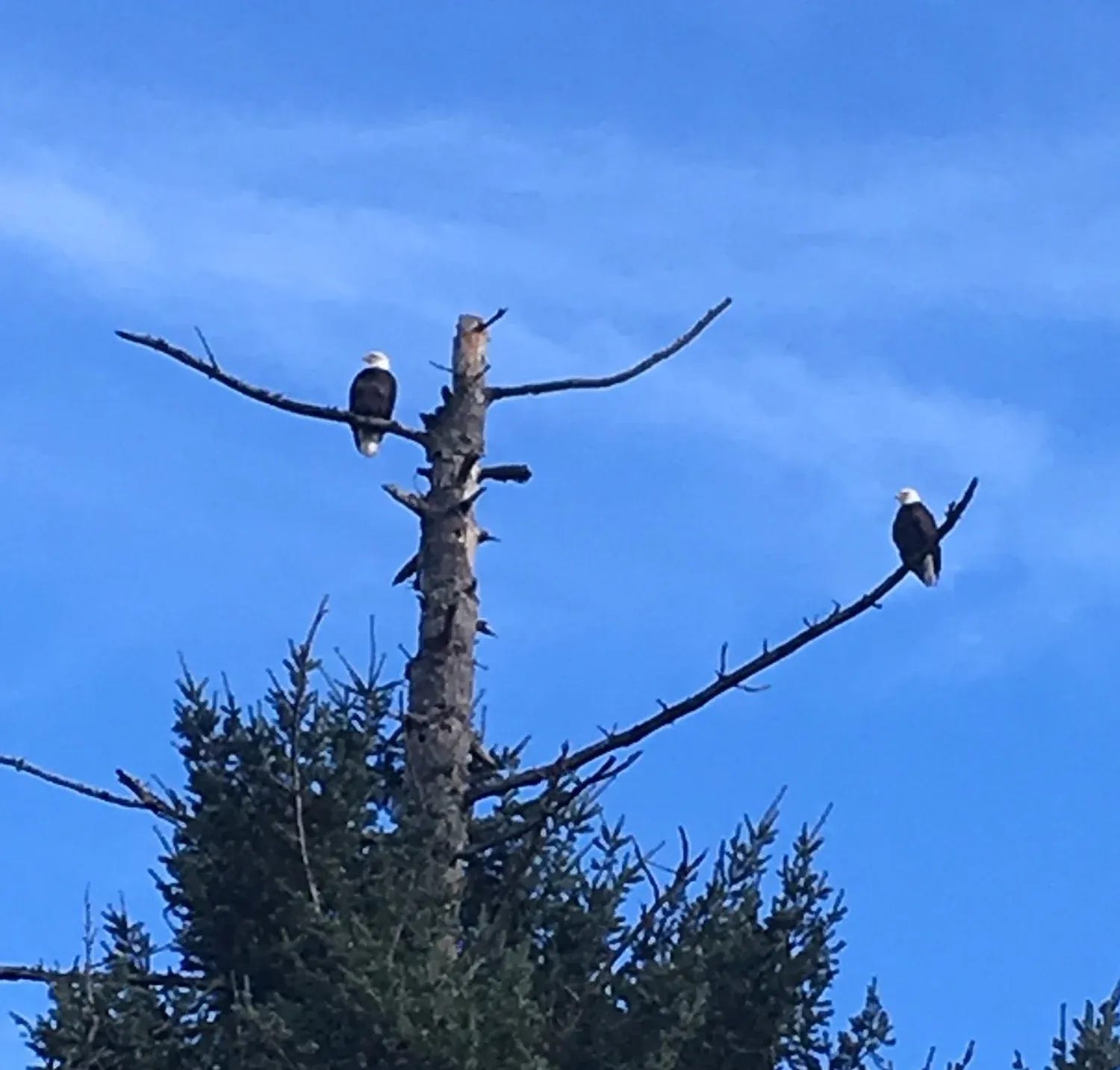
I will argue that this land isn’t forgotten, it’s just real. The other world, the fake world, the one that lives on screens or through filtered media has forgotten us. But we definitely are not forgotten. I walked away from the other world. The real world, the land I stand upon, and the land many others like me stand upon, is the future for a better earth. Ask the eagles and the river for they are here as well, waiting for humanity to remember them.
quietly wild
because if you can be anything
in this precious life
be real
-
quietly wild
because to be real
is to be free
Thank you for reading. If you are ready to walk the wild path with us at Mossygoat Farm, you can directly support our farm business Wild Wisdom Wool or you subscribe to our newsletter below. Grow wild with us. Thank you.